Health and Safety Policy for Landscapers Marylebone
 Health and safety is central to every project carried out by landscapers in Marylebone, especially when work takes place in busy shared spaces, private gardens, courtyards, and managed properties. A clear policy helps reduce risk, protect workers, safeguard clients, and ensure that every site is left tidy and compliant. For a rubbish company service area and the wider landscaping service area, safe working also means handling waste responsibly, keeping walkways clear, and preventing avoidable incidents during day-to-day operations.
This policy applies to all staff, contractors, and anyone working on behalf of the business. It covers planting, pruning, turf installation, hedge maintenance, lawn care, clearance work, and the loading or removal of green waste and general rubbish. The aim is to create a consistent standard of safe practice across all jobs, whether the work is a small residential visit or a larger maintenance programme. Risk awareness must be part of every task, from the first site check to the final tidy-up.
 Before work begins, a suitable and sufficient risk assessment must be completed. This should identify hazards such as sharp tools, uneven ground, adverse weather, electrical equipment, manual handling, dust, noise, traffic movement, hidden debris, and unstable structures. Where necessary, the work area should be cordoned off, warning signs should be used, and the team should agree a safe sequence of tasks. Landscaping safety is not optional; it is a daily responsibility.
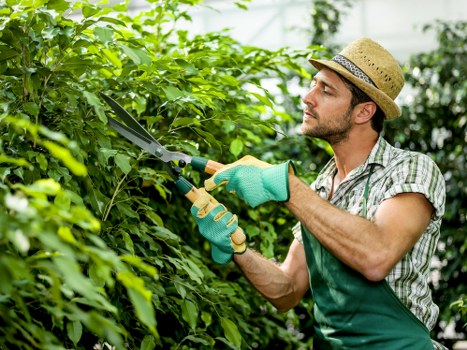 All employees must wear appropriate personal protective equipment according to the task being performed. This may include safety boots, gloves, eye protection, hearing protection, high-visibility clothing, and weather-appropriate outerwear. PPE must be maintained in good condition and replaced when damaged. In addition, tools and machinery must be inspected before use, cleaned after use, and stored securely. Defective equipment should be removed from service immediately, and only trained personnel may operate powered tools or machinery.
Manual handling is a key control point for Marylebone landscapers, particularly when lifting soil bags, paving materials, branches, or bags of rubbish. Loads should be assessed before lifting, weight limits respected, and lifting techniques used correctly to prevent strain or injury. Whenever possible, mechanical aids, trolleys, or team lifting should be used. Staff should avoid twisting while carrying loads and should plan routes in advance to remove trip hazards and reduce unnecessary movement across the site.
Working near roads, entrances, or shared access routes requires extra care. Equipment must never obstruct exits, pavements, or emergency access points. Where vehicles are present, banksman control or visual communication may be needed to guide reversing and loading. Noise, debris, and dust should be kept to a minimum, and working hours should be arranged to reduce disruption. Landscapers Marylebone must remain alert to members of the public, children, pets, and residents who may enter the area unexpectedly.
Waste management is an essential part of the policy and must be handled safely at every stage. Green waste, packaging, soil, stones, and general rubbish should be separated where possible and removed in a tidy, lawful manner. Waste should never be left in a way that creates a slip, trip, or fire hazard. The landscaping rubbish removal process should be organised so that the site remains clear and the transfer of materials does not block access or create contamination risks. Any hazardous materials found on site must be reported and handled correctly.
Staff are expected to maintain high standards of hygiene and housekeeping. Hands should be washed after handling soil, waste, chemicals, or contaminated materials. Food and drink must not be consumed in work areas where contamination is possible. Spillages should be cleaned promptly, and tools should be placed in designated areas when not in use. A tidy site supports safety in landscaping and reduces the likelihood of slips, cuts, and cross-contamination.
Where chemicals, fertilisers, or treatments are used, they must be stored, mixed, and applied strictly according to manufacturer instructions and relevant legislation. Containers should be clearly labelled, and staff must understand the hazards of each product before use. Protective clothing may be required, and spraying must be avoided in unsuitable weather conditions. The business will only use products approved for the intended purpose and will ensure that exposure to workers, visitors, and surrounding planting is controlled.
 Emergency preparedness is a vital part of the policy. First aid supplies must be available, and at least one trained first aider should be identified where practicable. All staff should know how to respond to cuts, eye injuries, slips, falls, suspected electrical faults, and heat-related illness. In the event of an incident, work should stop immediately if required, the area should be made safe, and the incident should be reported and recorded. Serious accidents, near misses, and dangerous occurrences must be reviewed so that lessons can be learned and future risk reduced.
Supervisors have a duty to monitor safe practice and to ensure that standards are maintained across all jobs in the wider Marylebone landscaping service area. They should check that team members are competent, briefed, and properly equipped before work starts. Regular reviews of this policy will help keep it effective and up to date. Any changes in working methods, new equipment, or updated legal requirements must be reflected in procedures and communicated clearly to the team.
 Ultimately, this policy supports a professional approach to landscaping that values people, property, and the environment. By following safe systems of work, managing rubbish responsibly, and keeping every site orderly, landscapers Marylebone can deliver reliable services while reducing risk. Health and safety is built into every job, from routine maintenance to clearance work, and every team member is expected to contribute to a safe, efficient, and well-managed working environment.

